
Proven in the field.
Three partners, three formats: from its origin in avalanche training to device training at the manufacturer.
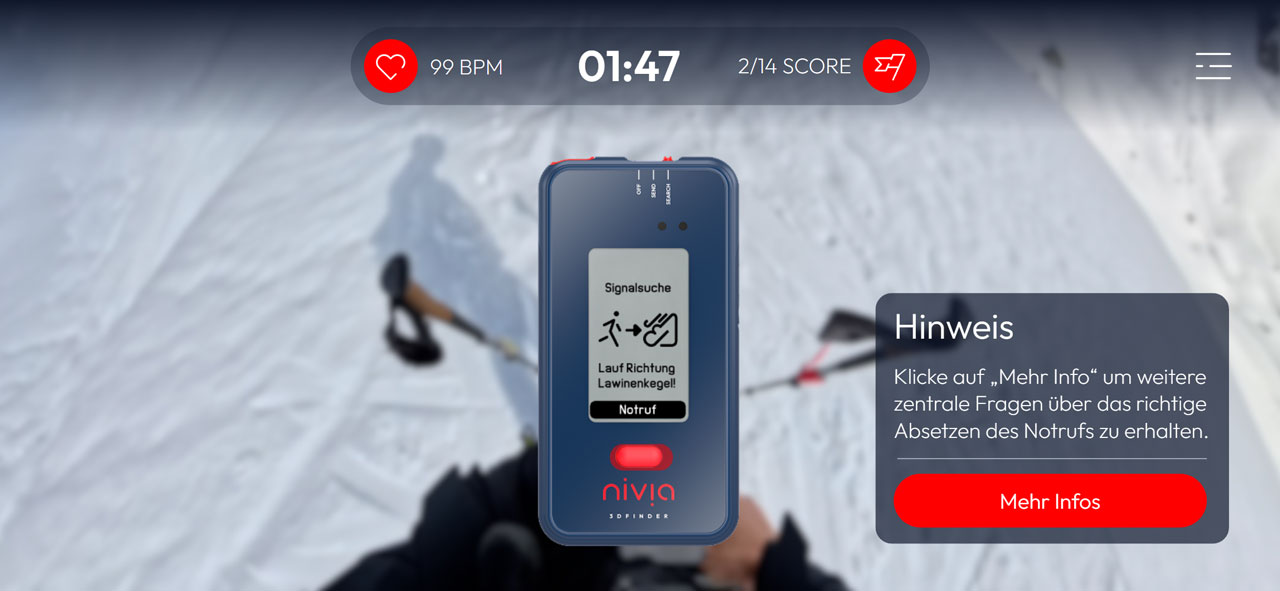
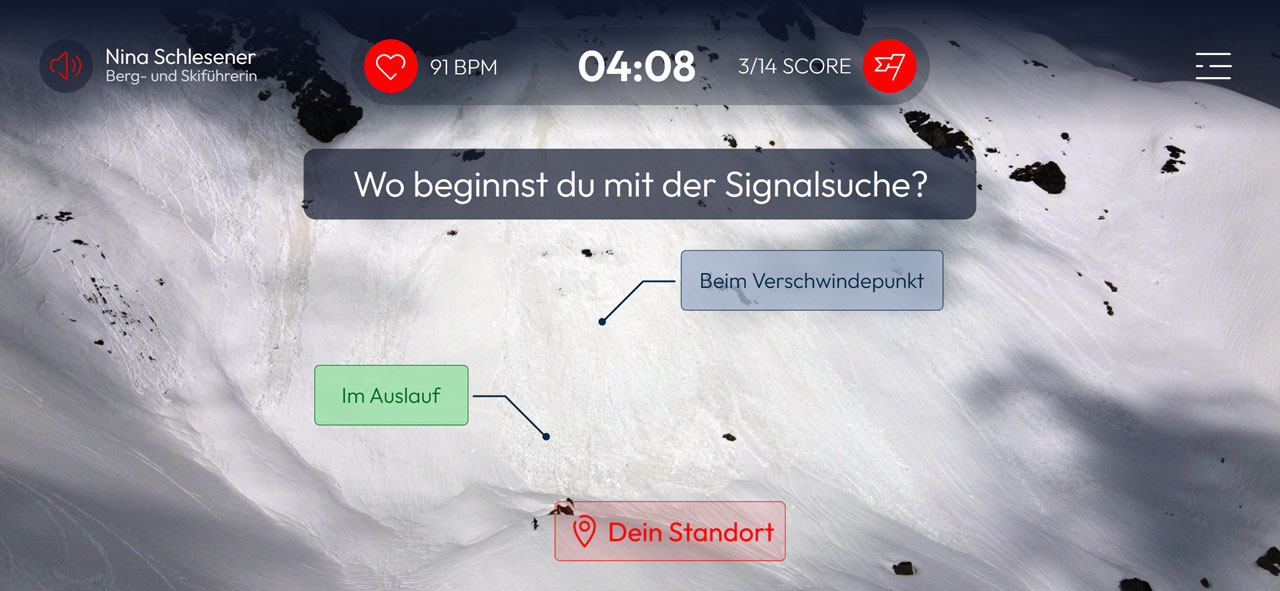
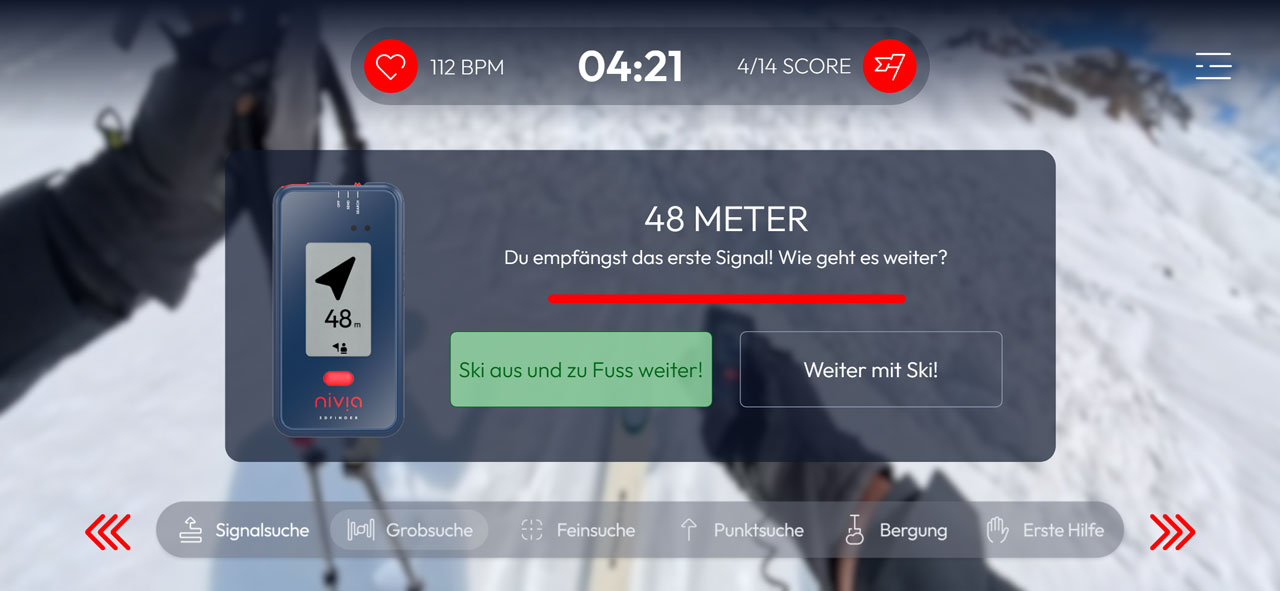
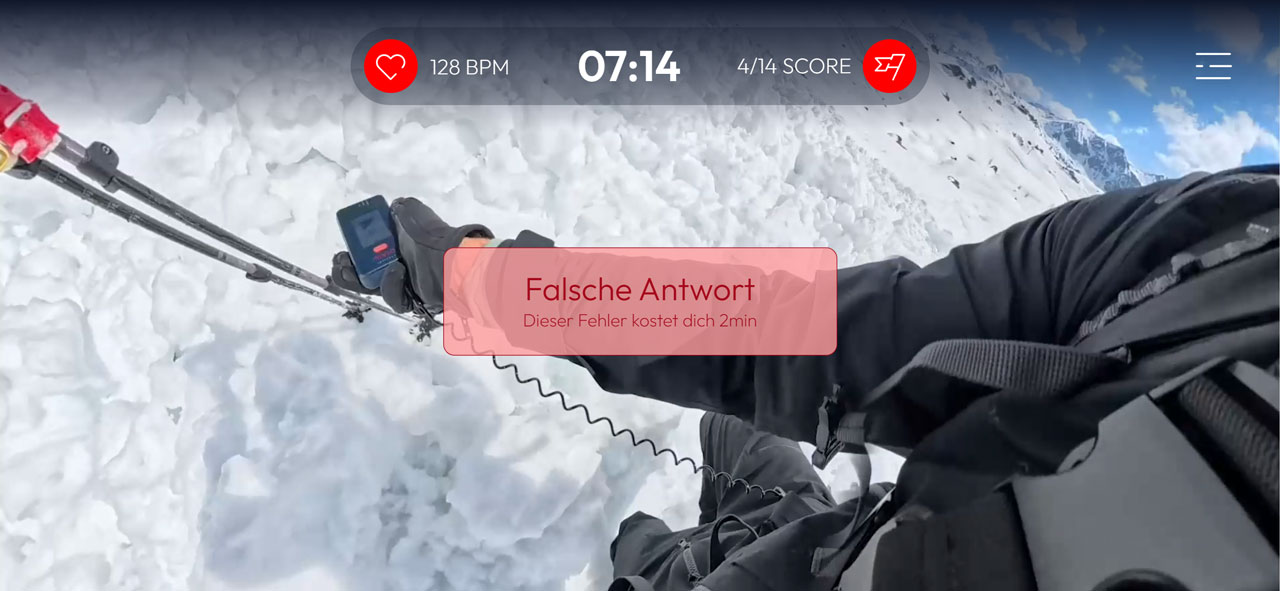
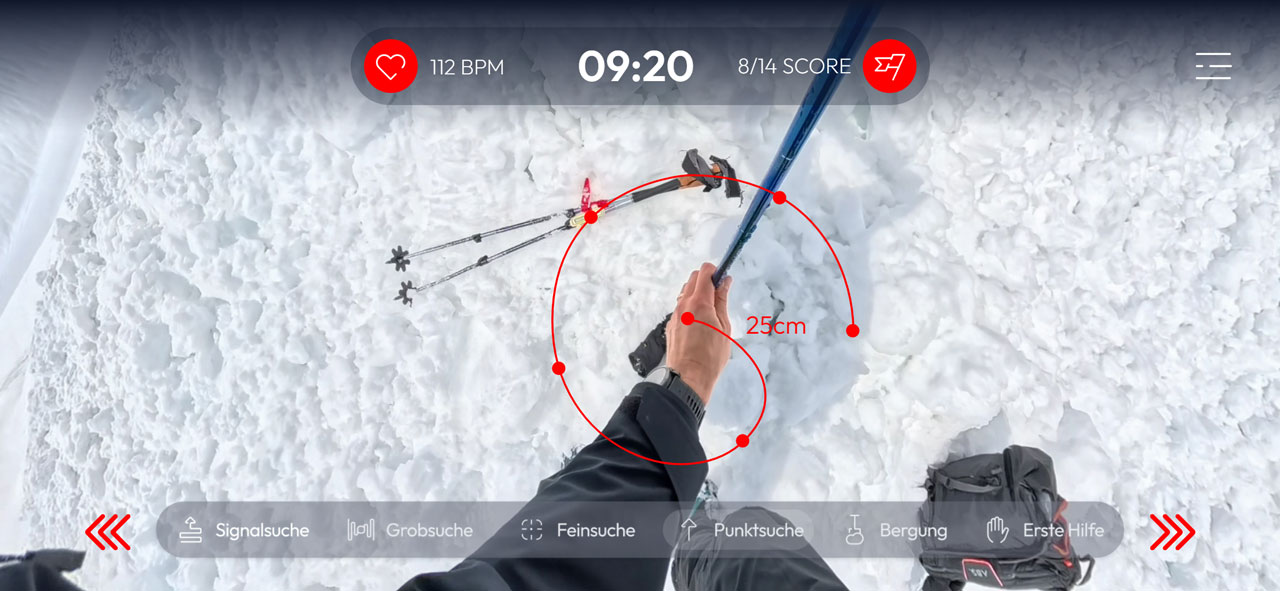
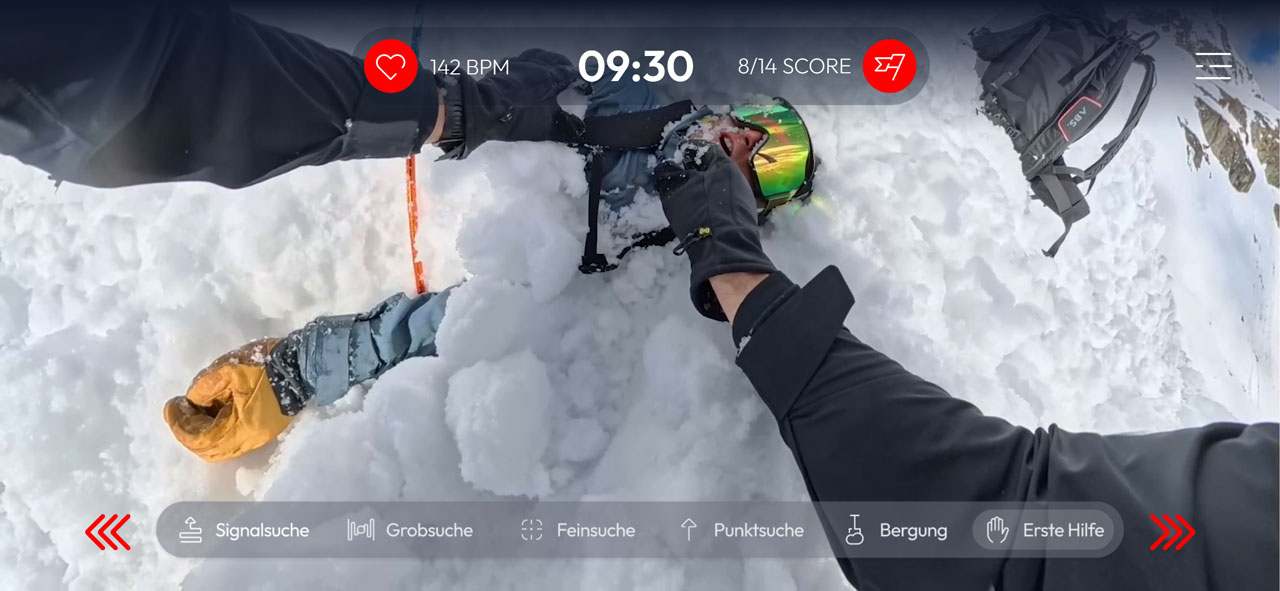

Avalanche transceiver maker Nivia uses the format for its own device training. You operate the 3D Finder in the first person, from signal search to recovery, and every wrong move costs you real time in the scenario.
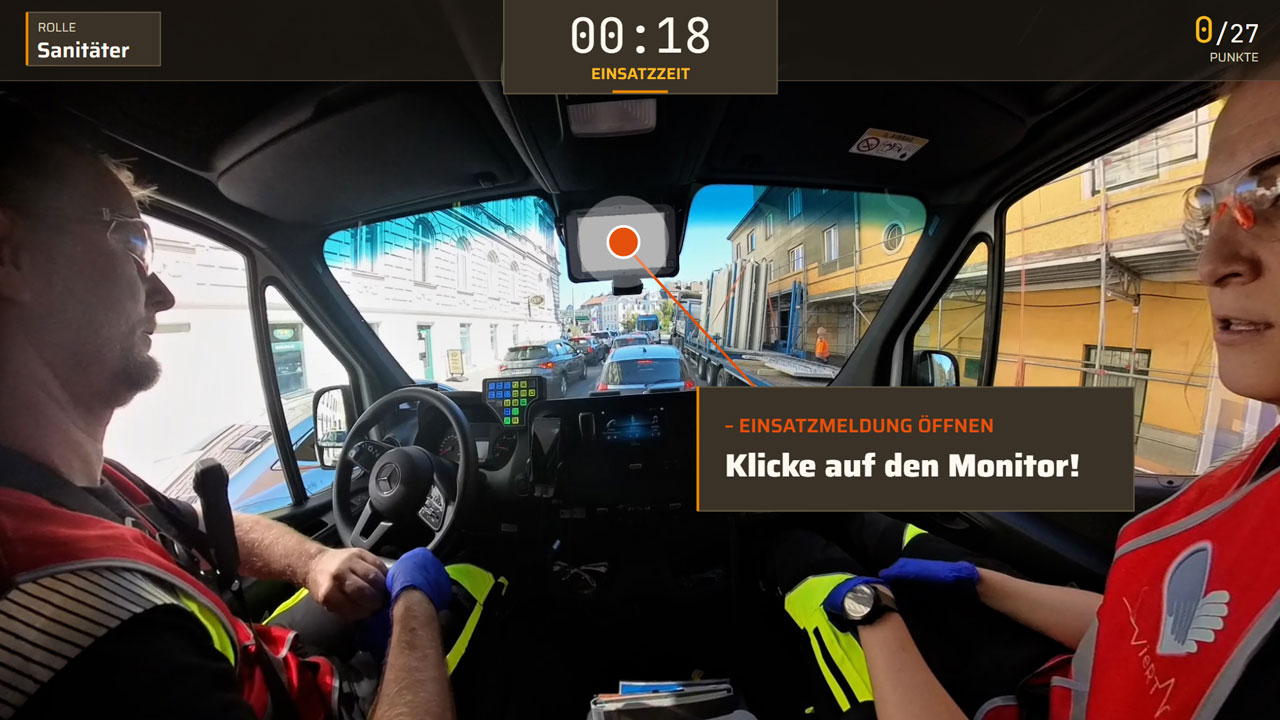
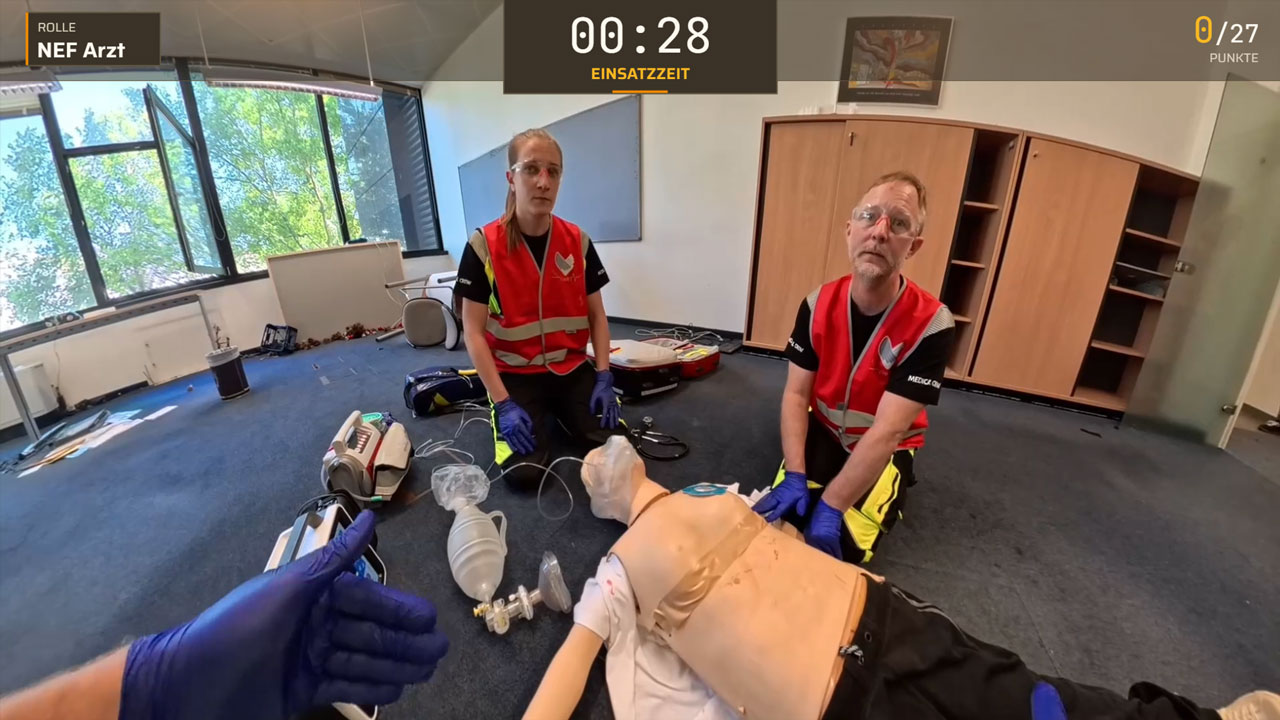
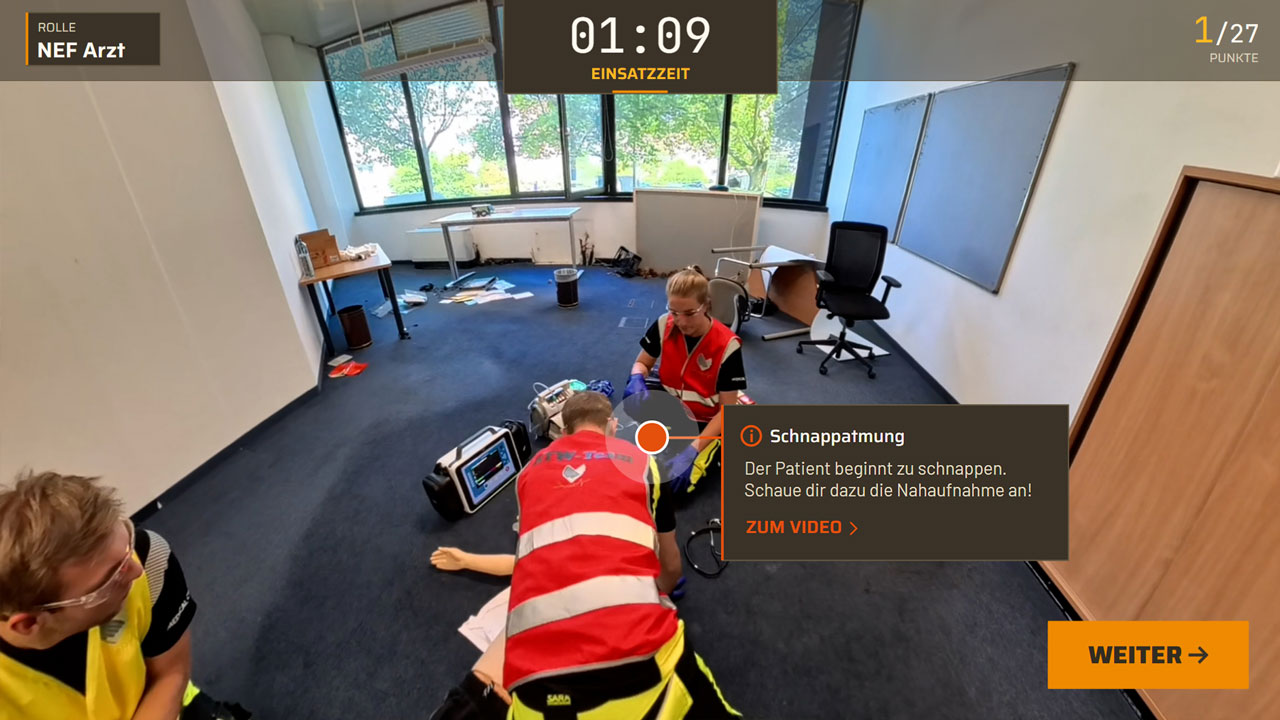
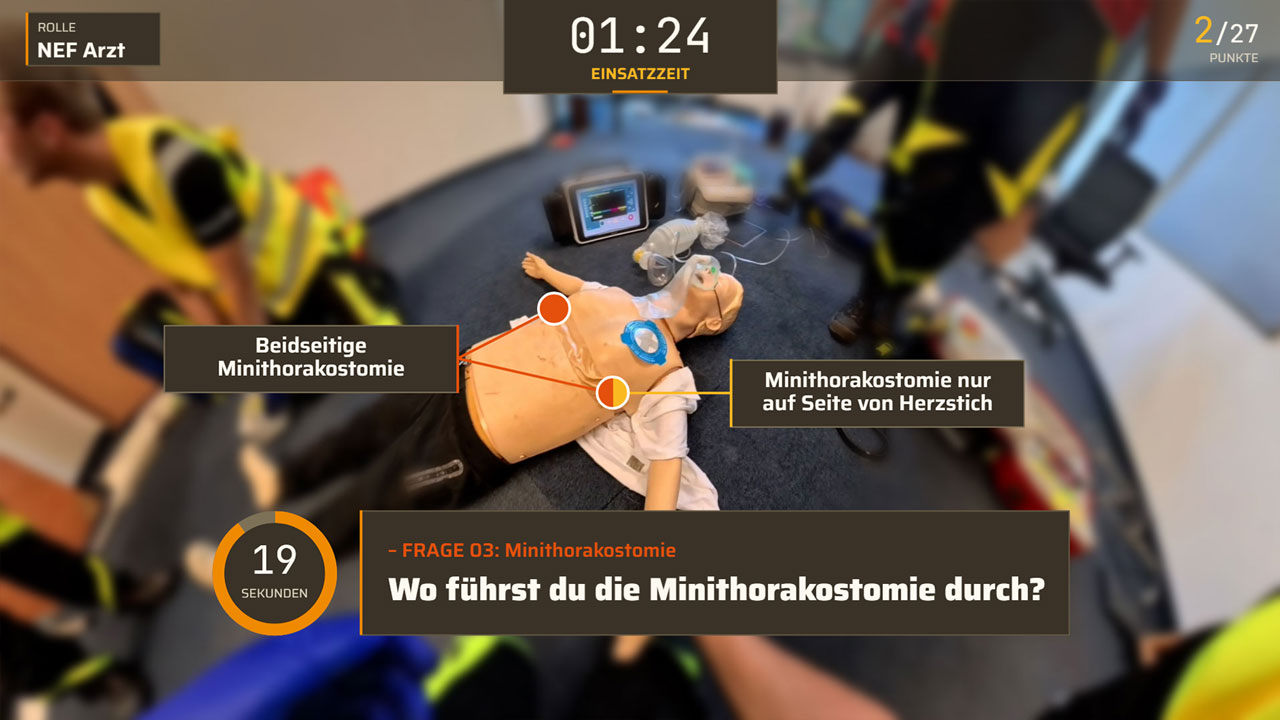
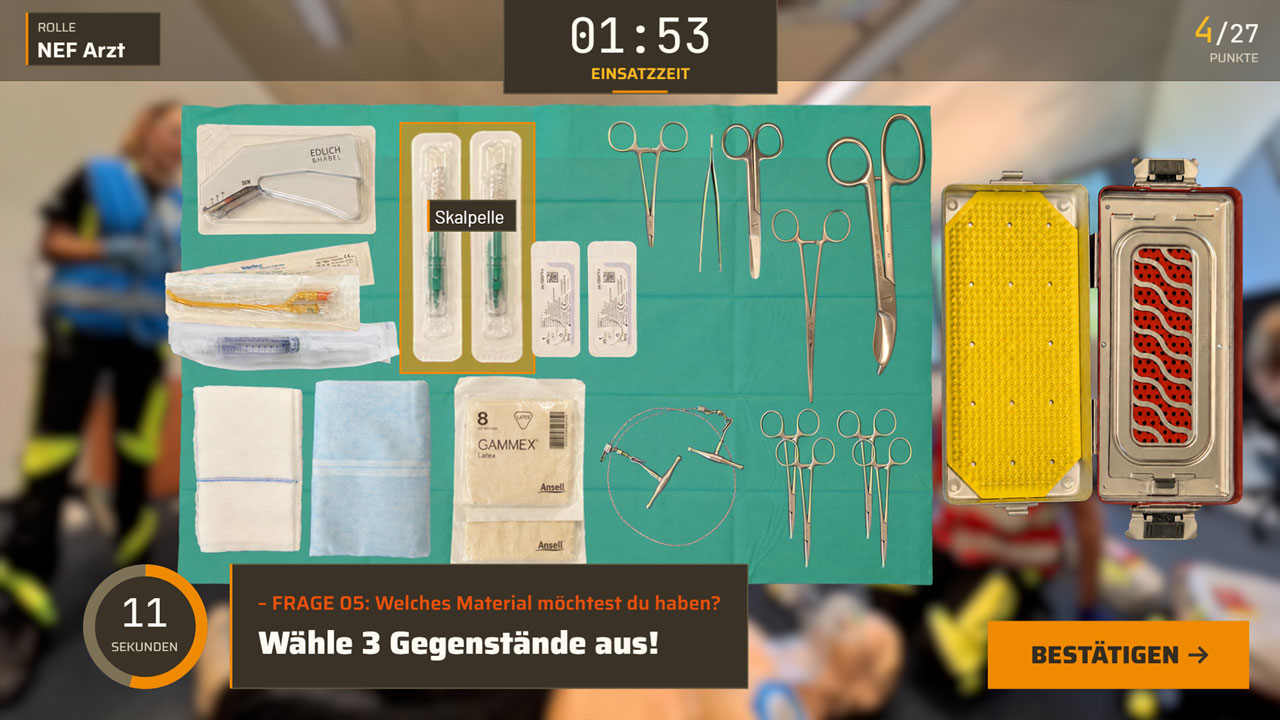

The Austrian Society for Emergency and Disaster Medicine (ÖNK) assesses the medical decisions, a senior physician builds the scenarios himself. From first contact in the ambulance to the call on where you place the mini-thoracostomy, clock running. His knowledge stays his, POV Training turns it into a form that runs for the whole team, any time.
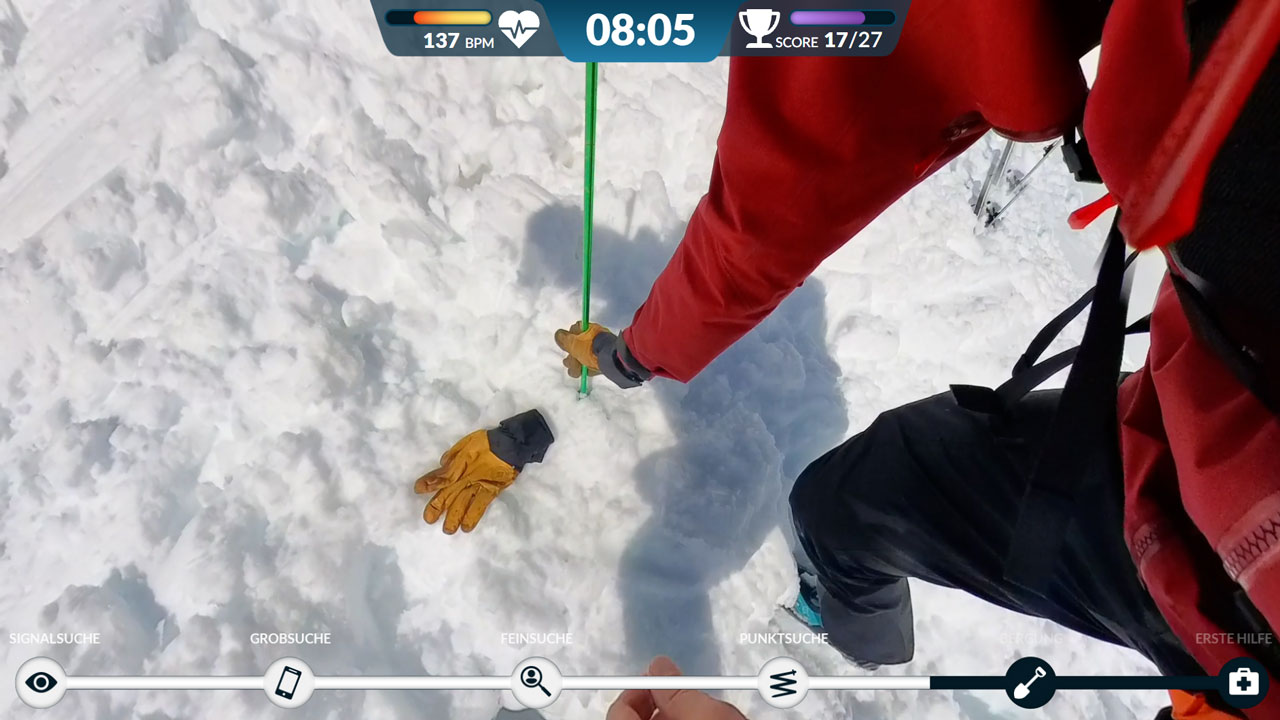
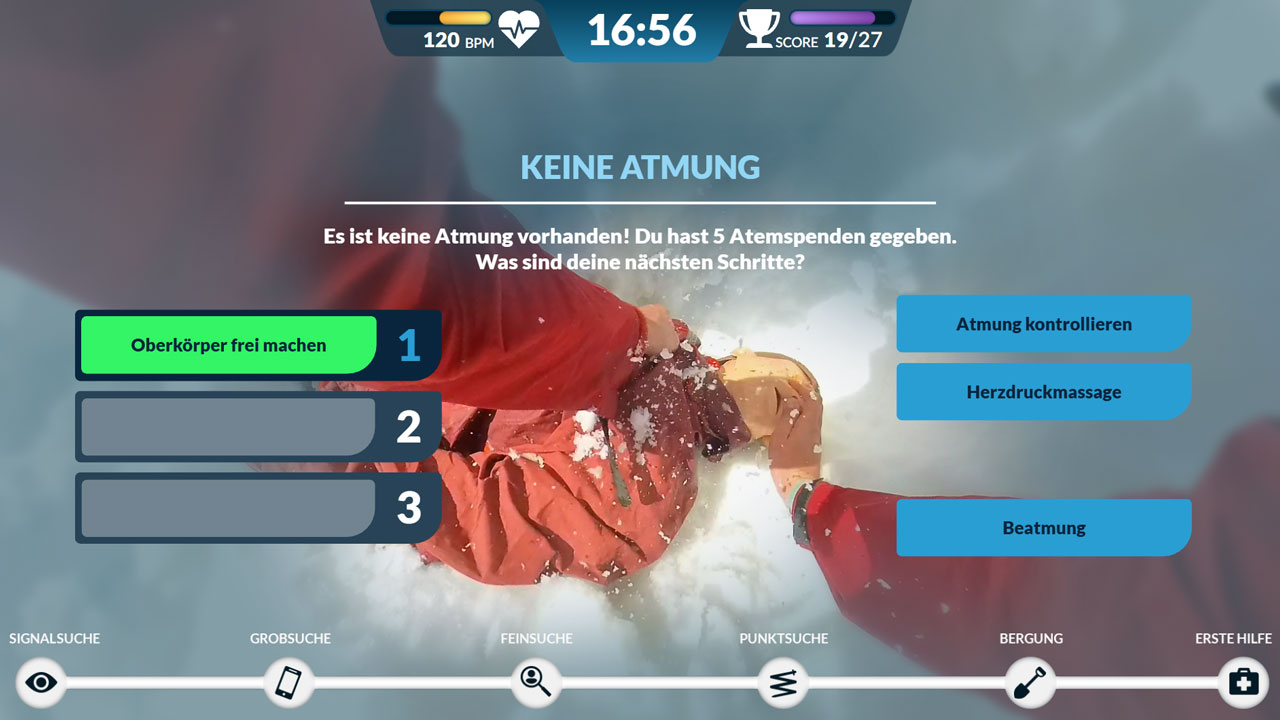
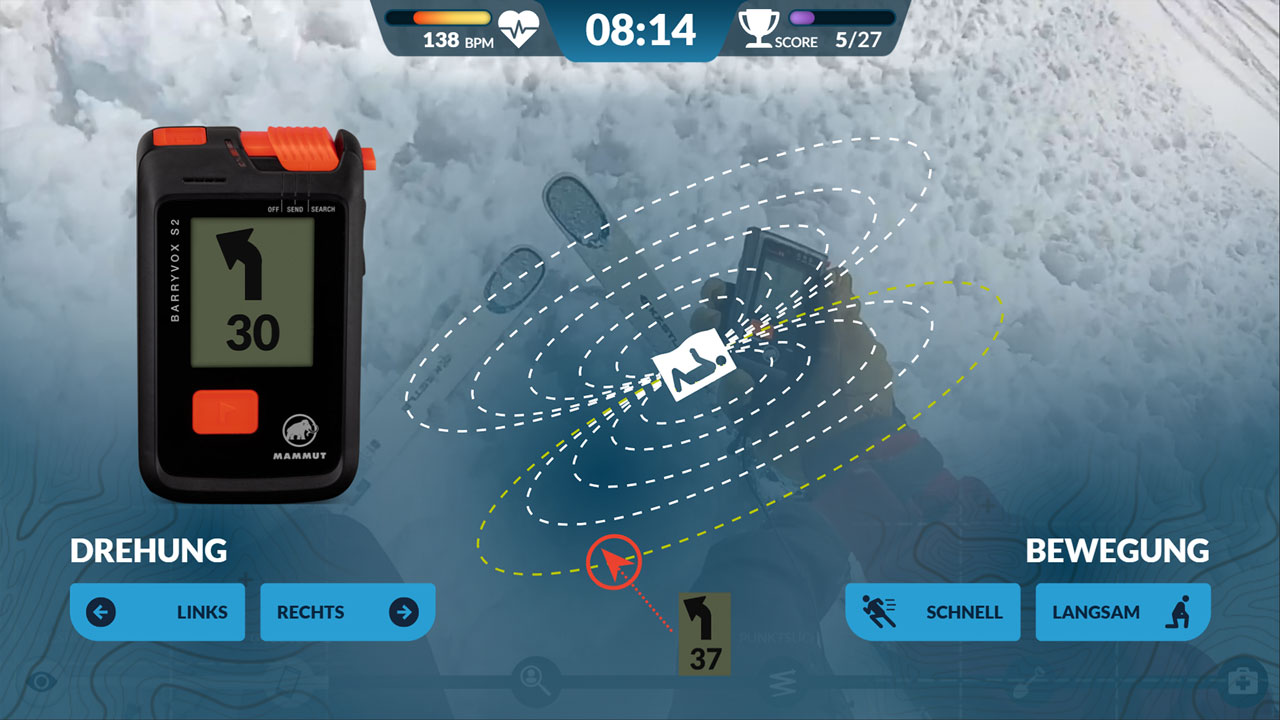
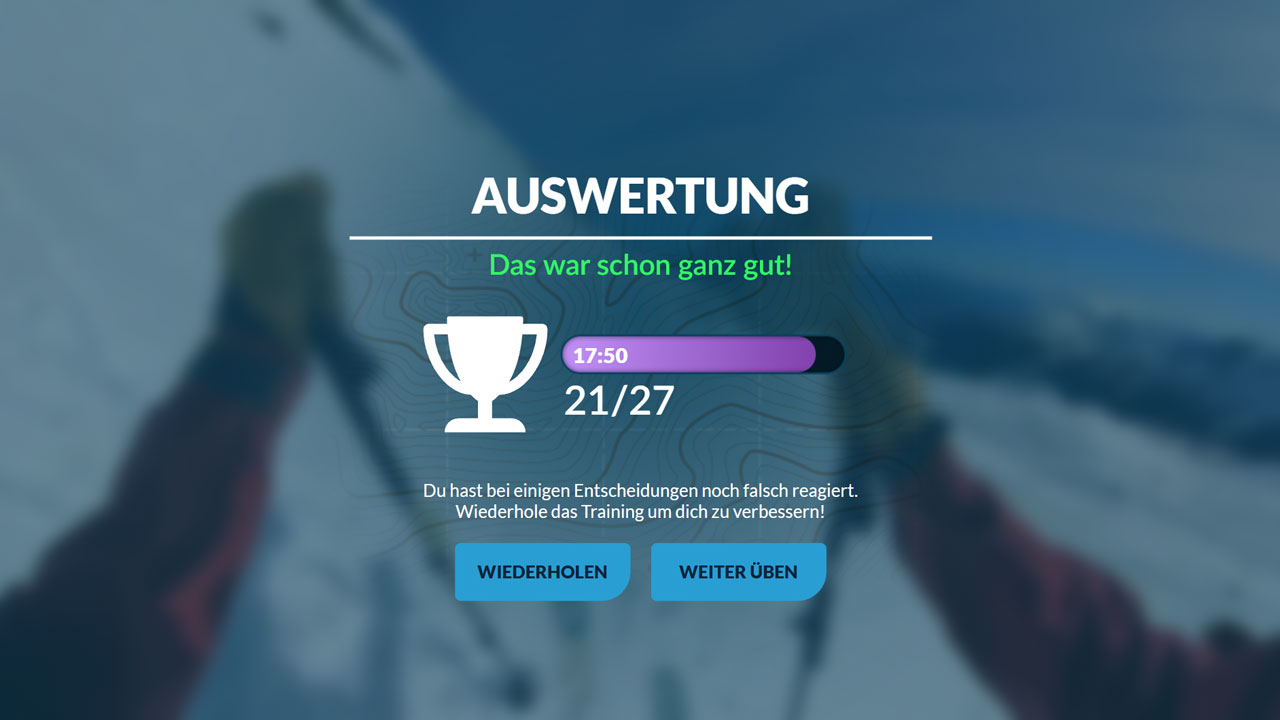

The format started here: Notfall Lawine, assessed by state-certified ski and mountain guides. Signal search, probing, recovery, every decision with a visible consequence. What POV Training now carries into other industries was proven right here, in real avalanche training.
“An avalanche training probably won't get much better on a computer than this.”
— Stefan Voitl, state-certified ski and mountain guide